
10 Toxic Towns You Still Can’t Live In
Picher, Oklahoma, USA
The Tri-State Mining District town of Picher was established in the early 20th century around the eponymous lead and zinc mine and was incorporated in 1918. A bustling hive of activity, the town’s thriving population peaked at 14,252 in 1926. South Connell Avenue, Picher’s main drag, is pictured here in the 1920s.
The same street is shown here in 2013. Mining operations declined in the latter half of the 20th century and halted in 1967.
In 1972, contaminated water began to seep from the mines and efforts were made to decontaminate the town, but to little avail. By 2006, the state had begun relocating residents and buying out homes and businesses.
Adding to Picher’s woes and sealing its fate, an F4 tornado hit the town in May 2008. The twister claimed the lives of eight people and leveled scores of buildings, while causing irreparable damage to countless others. Following the tornado, the majority of residents vacated the town for good.
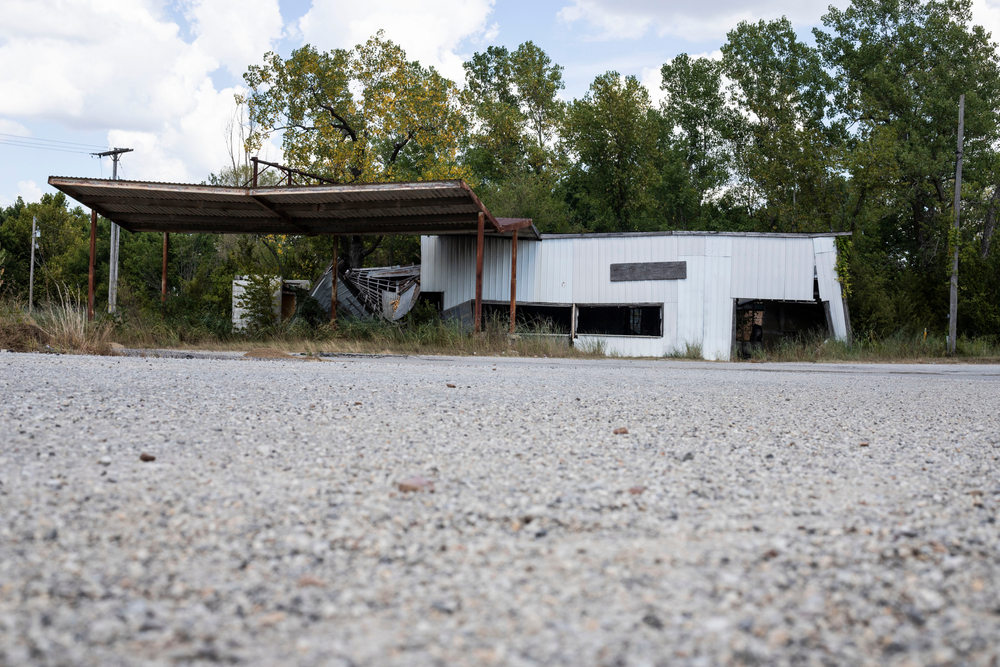
By 2013, a large proportion of the condemned town’s buildings had been demolished, while suspected arson attacks in 2015 and 2017 gutted Picher’s mining museum and church.
Despite the contamination, Gary Linderman, the owner of the town’s Ole Miner Pharmacy, vowed to stay there until the bitter end. Picher’s last official resident, he died in June 2015 and the town’s population was subsequently recorded at zero.
Many more of towns like these will probably be seen in the future.